
Editor's note: This month only – join the Creative Photographer Club and get 86 issues of Creative Photographer Magazine and four ebooks ready to download, plus three bonus months added to your membership. Click here for details. Thanks for reading, Andrew.
Photographers love to discuss which is the best camera lens to buy or use. Most discussions of this topic are gear led and concentrate on lens specs. But it’s more helpful to answer the question from a creative point of view.
You often need to decide which lens to use ahead of time. For example, if you want to make some landscape photos you need to find the right balance between taking the right lenses for the job, and making sure your camera bag isn’t too heavy to carry. There’s no point in taking a macro lens or a telephoto lens with you if you know you’re not going to need it.
Below are some of the things you need to think about when it comes to picking the best camera lens to use. In practice, your choice is limited by the lenses you own. But these considerations are still useful. If the answers reveal gaps in your lens collection, then that’s helpful when it comes to future lens purchases.
1. Do you want a camera lens with beautiful bokeh?
Who doesn’t love those funky out of focus backgrounds that make portraits and travel photos so evocative? It’s true that you can get good bokeh with telephoto zoom lenses if you use them correctly, or even an 18-55mm kit lens (the key is to get as close to your subject as you can).
But for the best bokeh effects you’ll need a prime lens as the aperture is much wider. Primes are also more versatile. You can use the widest aperture of the lens for an ultra-shallow depth of field. Or a you can pick a more conservative setting such as f2.8 that gets more of the subject in sharp focus.
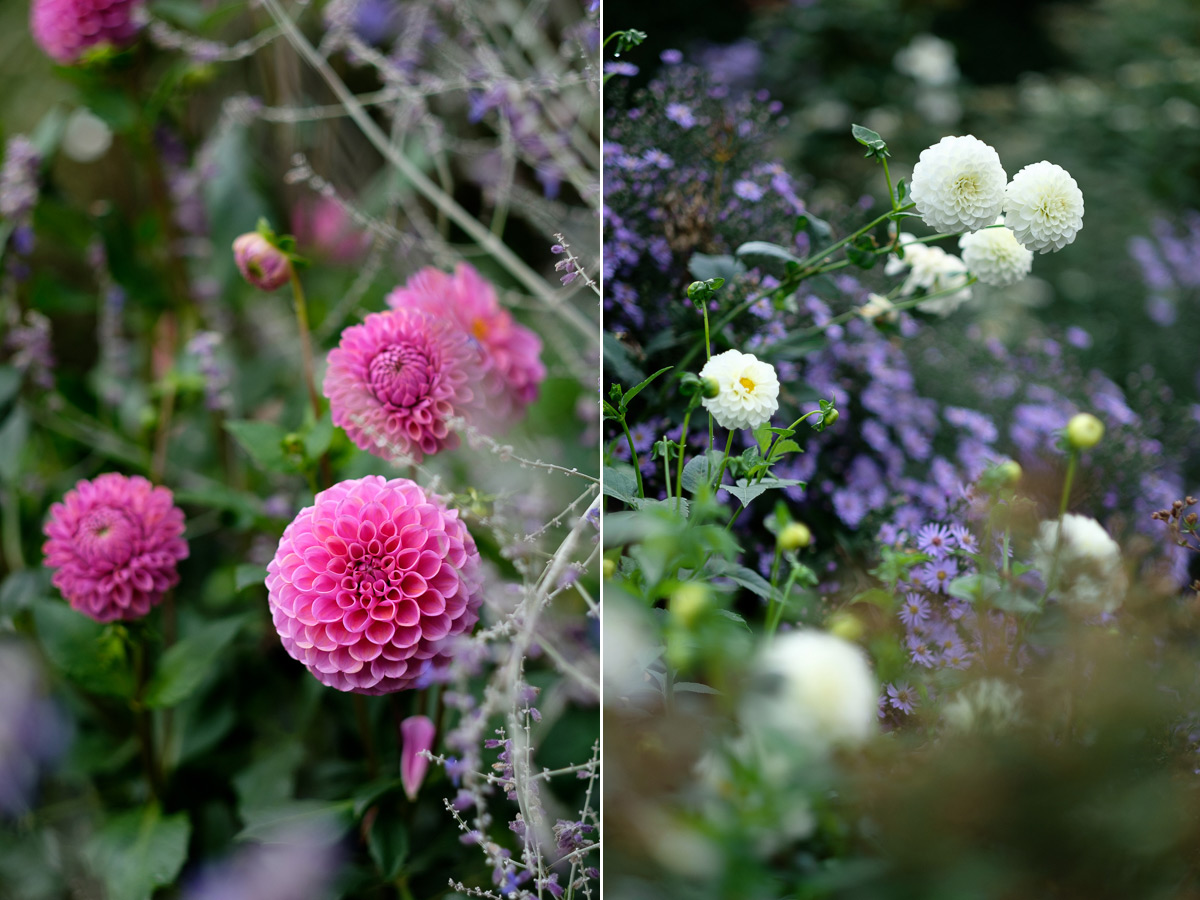
If bokeh is your thing, then use a prime lens and start experimenting with those wide apertures. Here are a couple of examples, both made with my f56mm lens (on an APS-C camera) with the aperture set to f2 (left) and f1.2 (right) respectively.
2. Do you want everything in focus?
I get it – bokeh is super cool. But there are times when you want the whole scene in focus, such as in landscape photography. Or when you want as much of the scene to be sharp as possible, like street photography, travel photography and environmental portraiture.
The amount of depth of field you want in your image is a creative decision. Once you’ve made it you can think about the type of lens you need to make that happen.
Wide-angle lenses are a natural choice when you need lots of depth of field. They also help you include more of the scene. Some photographers refer to wide-angle lenses as story telling lenses. The phrase describes the way you can use the lens to include enough detail to give your subject context.
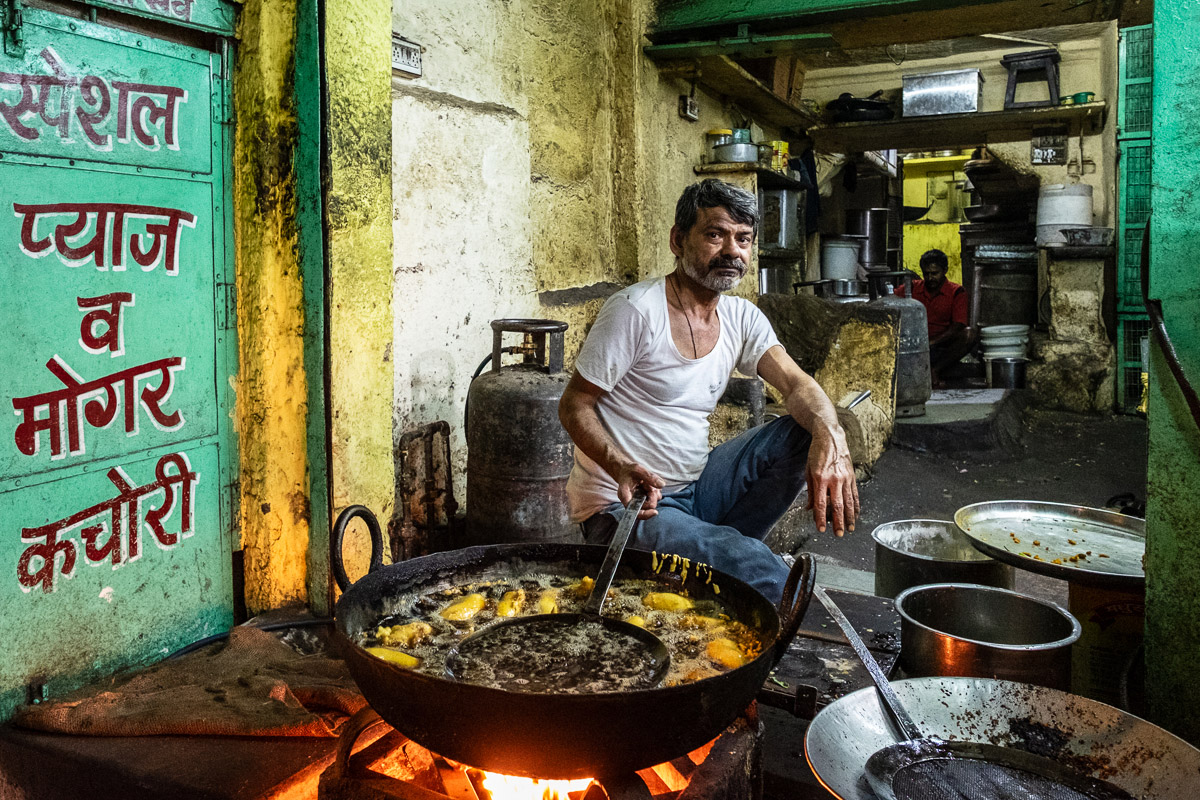
You’re most likely to use this approach with character portraits and documentary work. Here’s an environmental portrait I made in India with a 14mm lens. Using a wide-angle helped me get close to the man cooking food and include lots of exotic detail from his street-side shop.
3. How close can you get to your subject with your camera lens?
If there’s something that stops you getting physically close to your subject, then you need a telephoto lens to bridge that distance.
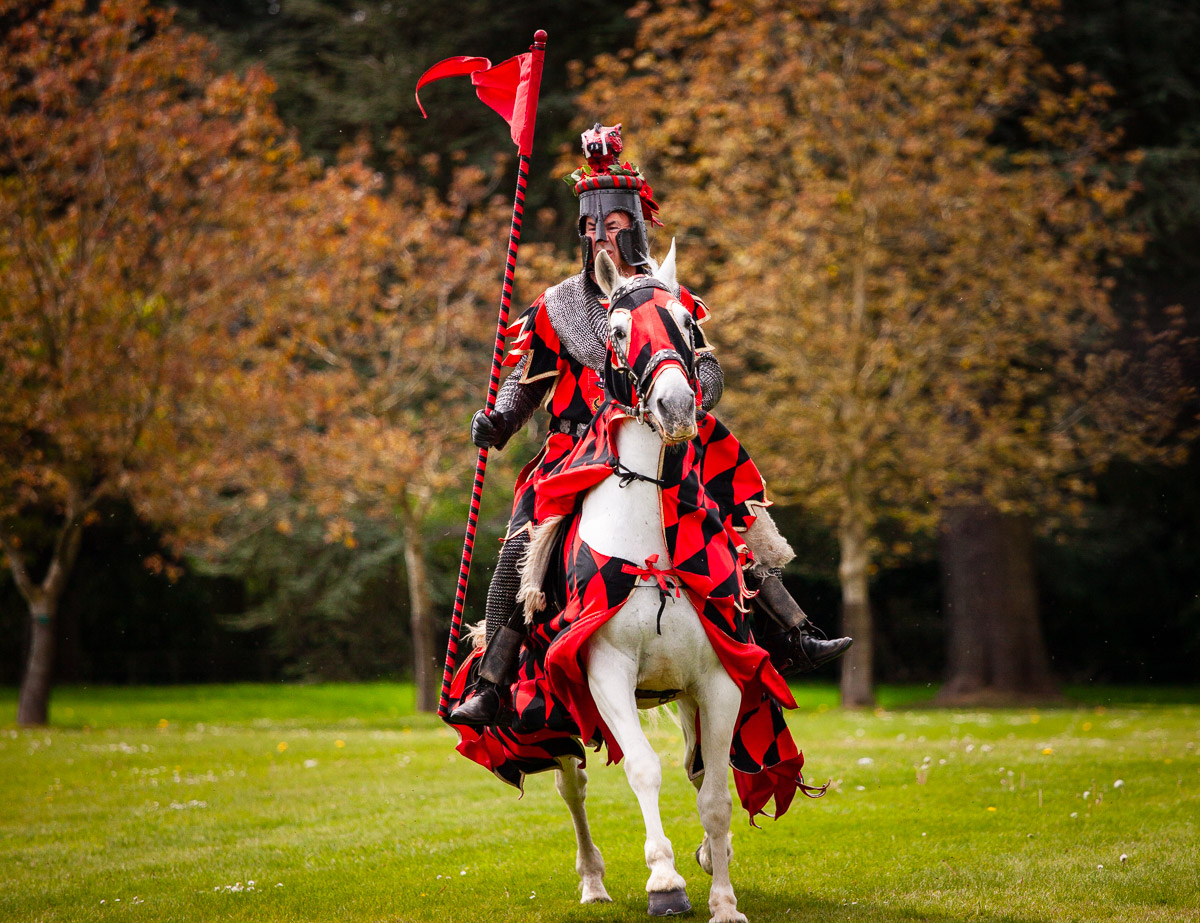
For example, I needed a telephoto lens to photograph this horse and rider taking part in a jousting display. It wasn’t possible to get physically closer to the horse and rider. I also needed a zoom (70-200mm in this case, on a full-frame camera) so I could adjust the framing as the rider got closer or further away.
On the other hand, if you want to do some macro or close-up photography, then you’ll need either a macro lens, or an accessory to help another lens focus more closely to the subject, such as an extension tube or close-up lens.
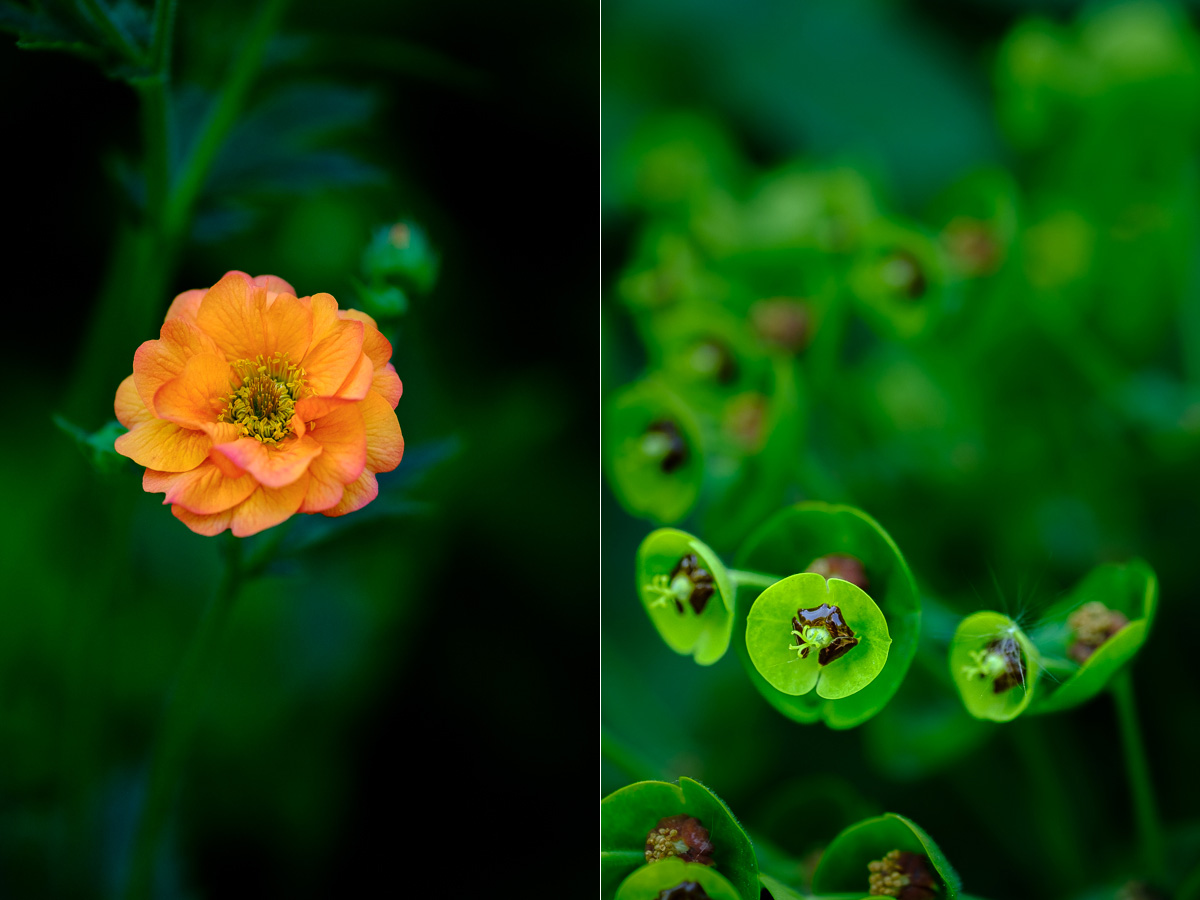
I used a 100mm macro lens to create the photos of the flowers below.
Learn more: How To Get Up Close With Close-Up Lenses
4. How much weight do you want to carry?
It may be tempting to take all your lenses on a shoot to cover every conceivable situation. The problem is that carrying lots of weight is tiring. This makes it harder to concentrate, be creative, and make good photos.
It’s something to think hard about when you’re going away. How many lenses you need to take with you while traveling? The more you have, the heavier your camera bag gets and the more difficult it is to carry everything around. If you’re flying you need to know how much gear you can take on board the plane in your carry-on luggage.
Most of the time you’ll be fine with two or three carefully selected lenses. There may be times when you need more. This applies mainly to pros who need to cover every eventuality on a commercial shoot. You’re unlikely to need a lot of gear for personal work.
When I go out making photos for the day I often take one lens only, either my 23mm or my 35mm, depending on what I’m expecting to photograph. When I visit a garden I take a maximum of three lenses. My 23mm for wide-angles, my 35mm for tighter crops and a lens for close-up photography, like my 100mm macro or my Helios 58mm (more on that below).
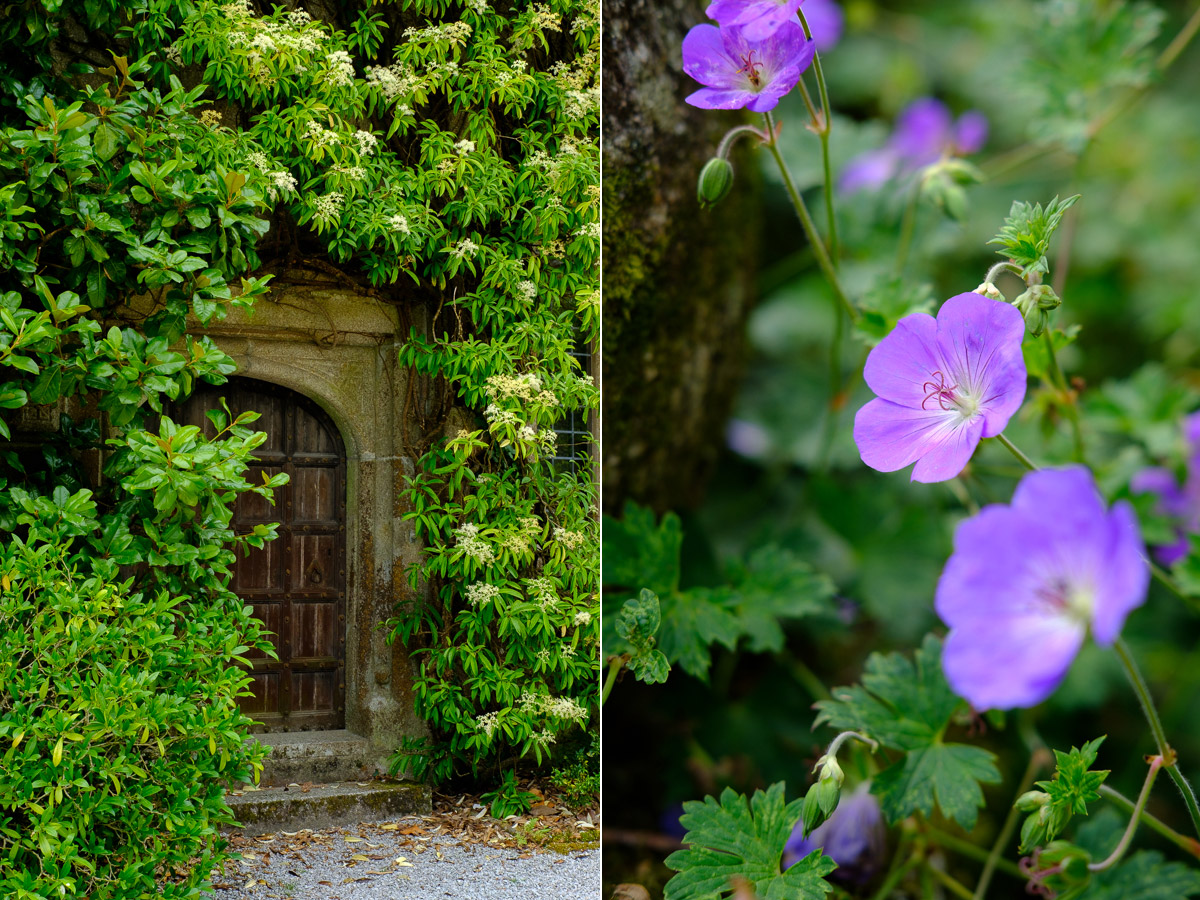
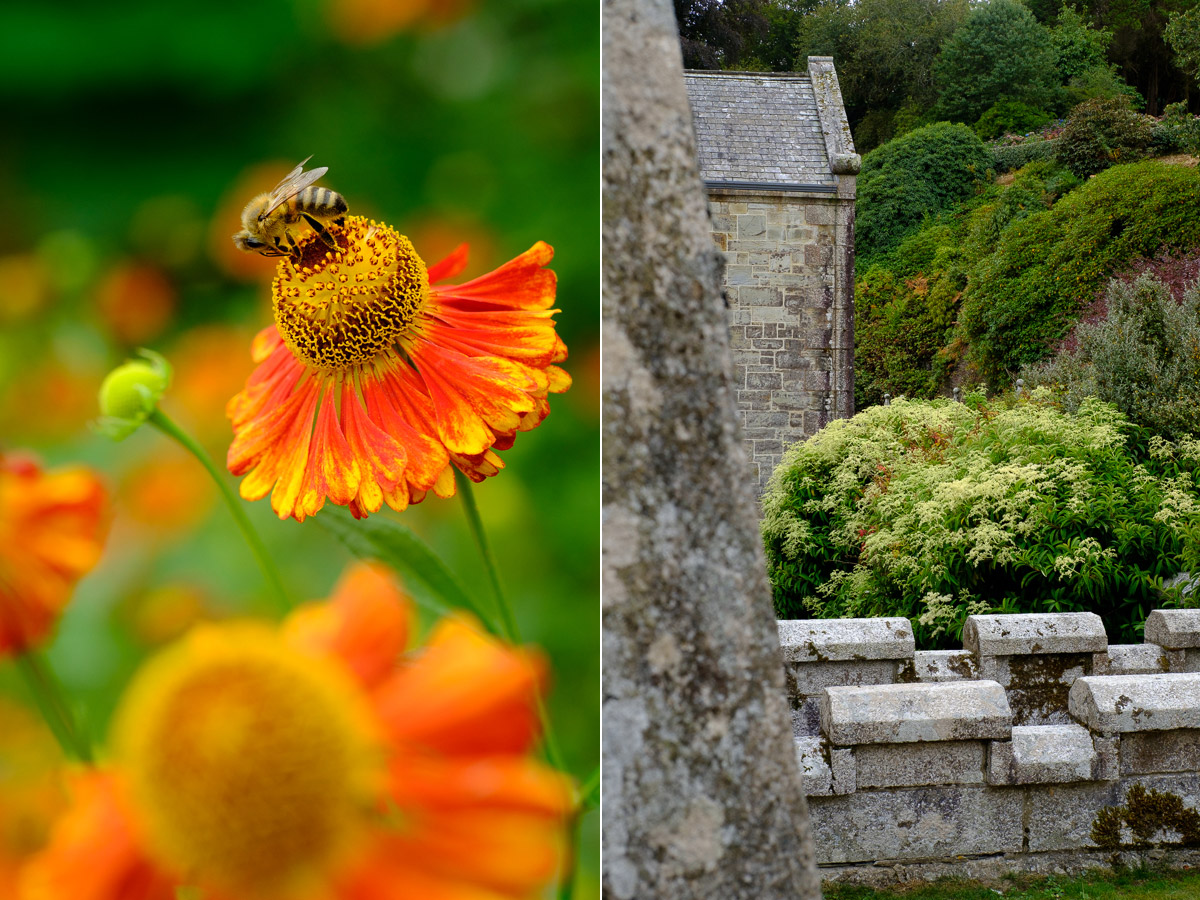
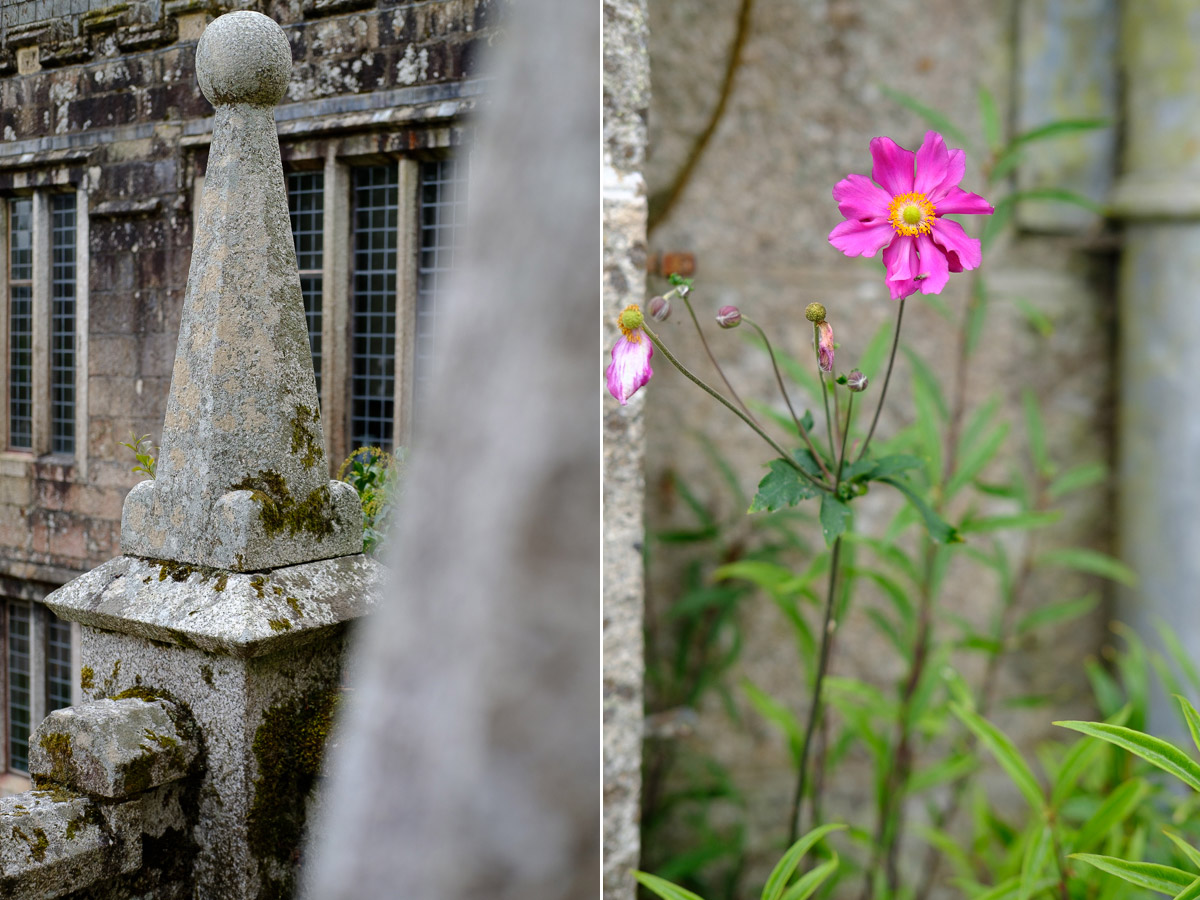
If I ever need to travel ultra-light, I can take my 35mm lens only, with a close-up lens for making close-up photos. I often do this when I’m out with my son for the day, and I know I’ll have limited time for photography, plus I have to carry the stuff he needs as well as my things. To show you how versatile this lens is, here are some photos I made with it at Lanhydrock, a late Victorian country house and garden in Cornwall, on a day out during the summer.
Learn more: How to Improve Your Photography by Using Only Two Camera Lenses
5. Will you work in low light without a tripod?
If so you need to figure out how you are going to cope with the low light. Luckily, the high ISO performance of many cameras is so good that you can easily push the ISO to 12800 and beyond (depending on your camera). This helps you use shutter speeds fast enough to avoid camera shake.
A prime lens will help a lot, especially if it has an aperture of f1.8 or wider (some telephoto prime lenses only go to f4 or f2.8).
A lens with image stabilization or vibration reduction (if your camera doesn’t have in-body IS) also helps you take sharper images at slower shutter speeds. But remember that image stabilization prevents camera shake, but doesn’t prevent blur caused by subject movement.
You can hand-hold wide-angles at slower shutter speeds than telephoto lenses. For example, when I use my 56mm lens I prefer to set the shutter speed to at least 1/250 second to guarantee sharpness. But with my 18mm wide-angle I use 1/60 second – a two stop difference.
I made both these photos in low light and needed to use ISO 6400 and a wide aperture (f1.2 and f1.4 respectively) for both.
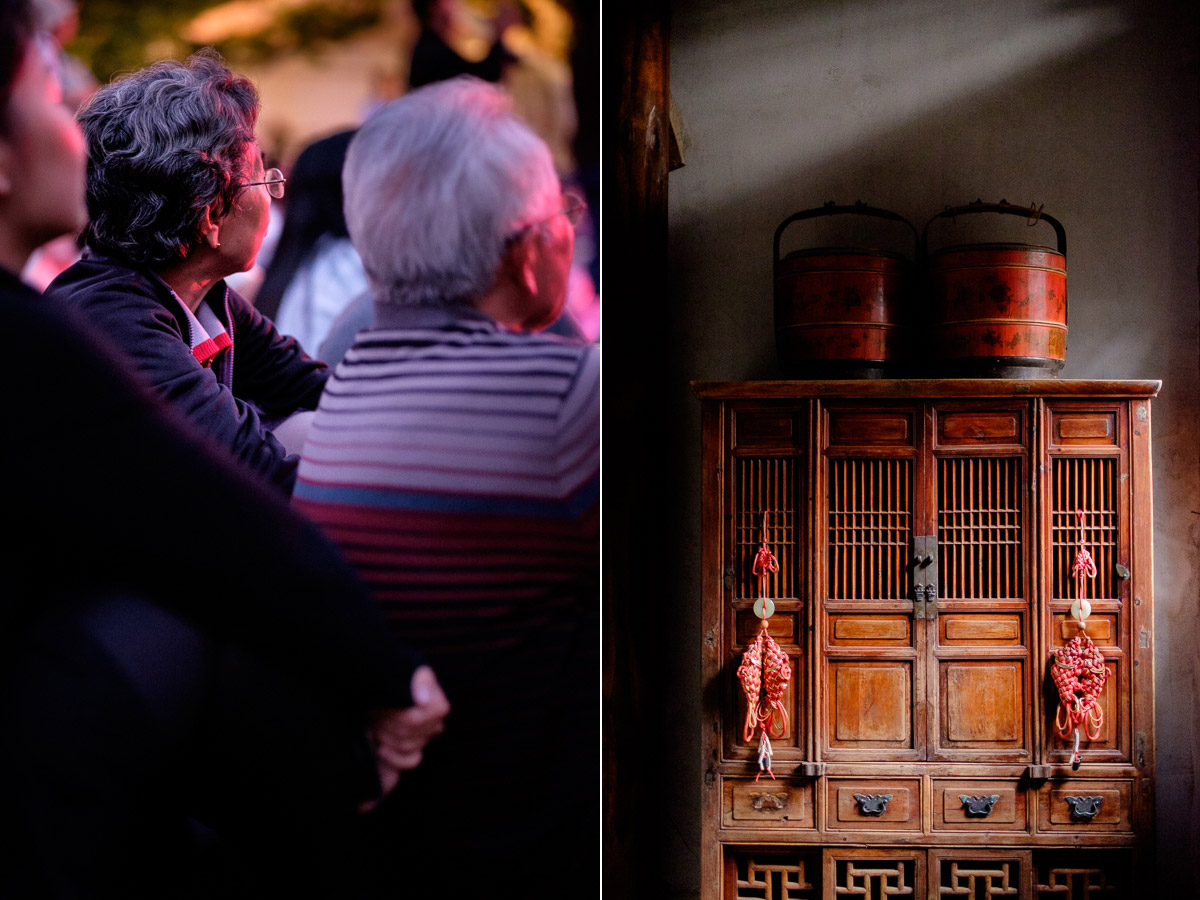
6. Will you be making portraits with your camera lens?
If you have a portrait shoot you need to decide which lenses you’ll need to take with you. If you know ahead of time that you’d like to create some environmental portraits, then you know you’ll need a normal lens or wide-angle lens. But don’t get too close with this type of lens unless you deliberately want to distort your model’s face.
On the other hand, if you’re going to move in close and photograph your model’s face a short telephoto prime or zoom lens is ideal. The perspective flatters your model and helps isolate her from the background. A prime lens is better if you want to make portraits with plenty of bokeh.
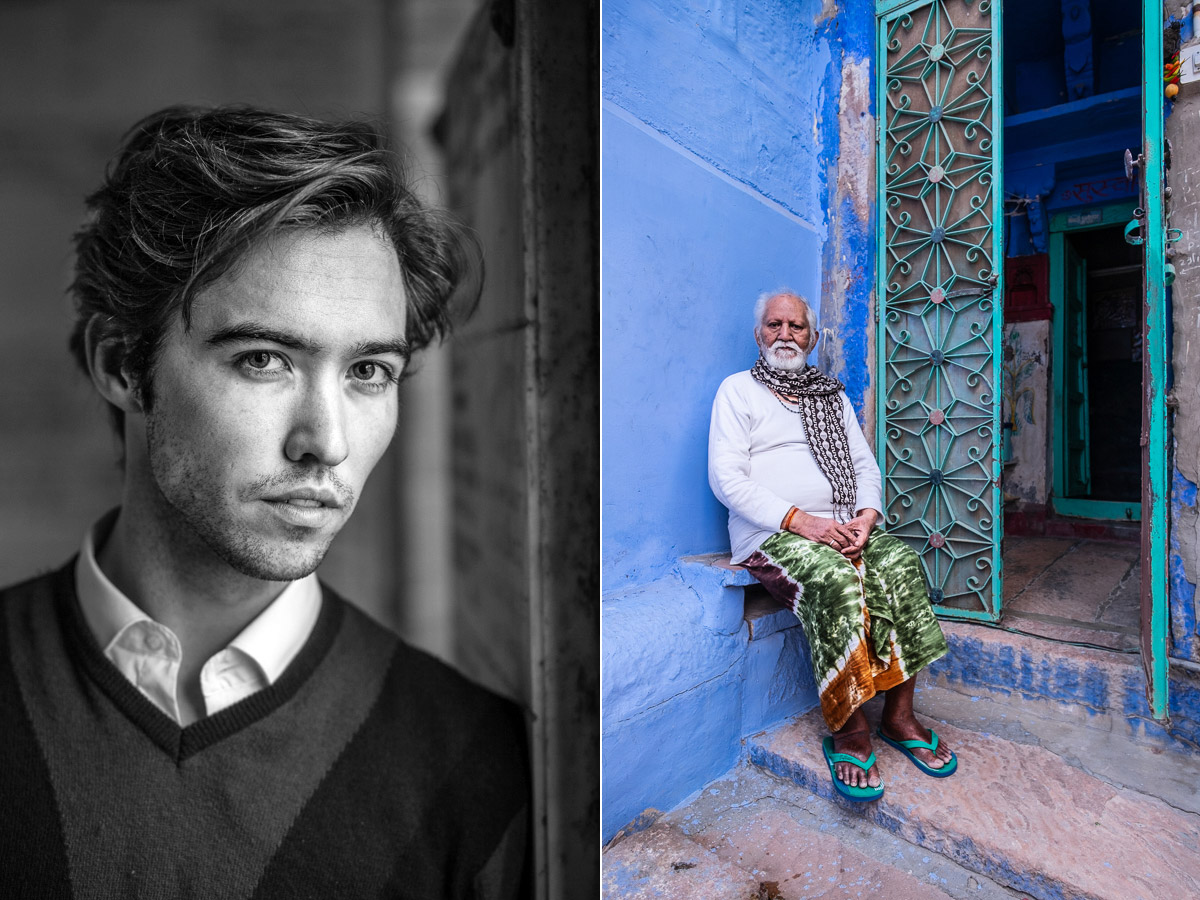
You can see the difference in the portraits below. I made one with an 85mm lens (left) and the other with a 14mm lens (right). The portrait made with the 85mm lens uses selective focus to blur the background. The photo made with the 14mm lens is an environmental portrait – everything is sharp and the man’s surroundings are as important as the man himself. The first portrait could have been made anywhere, the second has a strong sense of place. That’s the difference lens choice makes.
7. Do you need a specialty camera lens?
There are times when you may need a specialty lens such as a fisheye lens, a tilt-shift lens or a Lensbaby. Or you may like to use vintage lenses like the Helios 58mm f2 on a modern camera. If you know that you may need a specialized optic for a shoot then you can plan in advance to buy, borrow, or rent one if you don’t own it already.
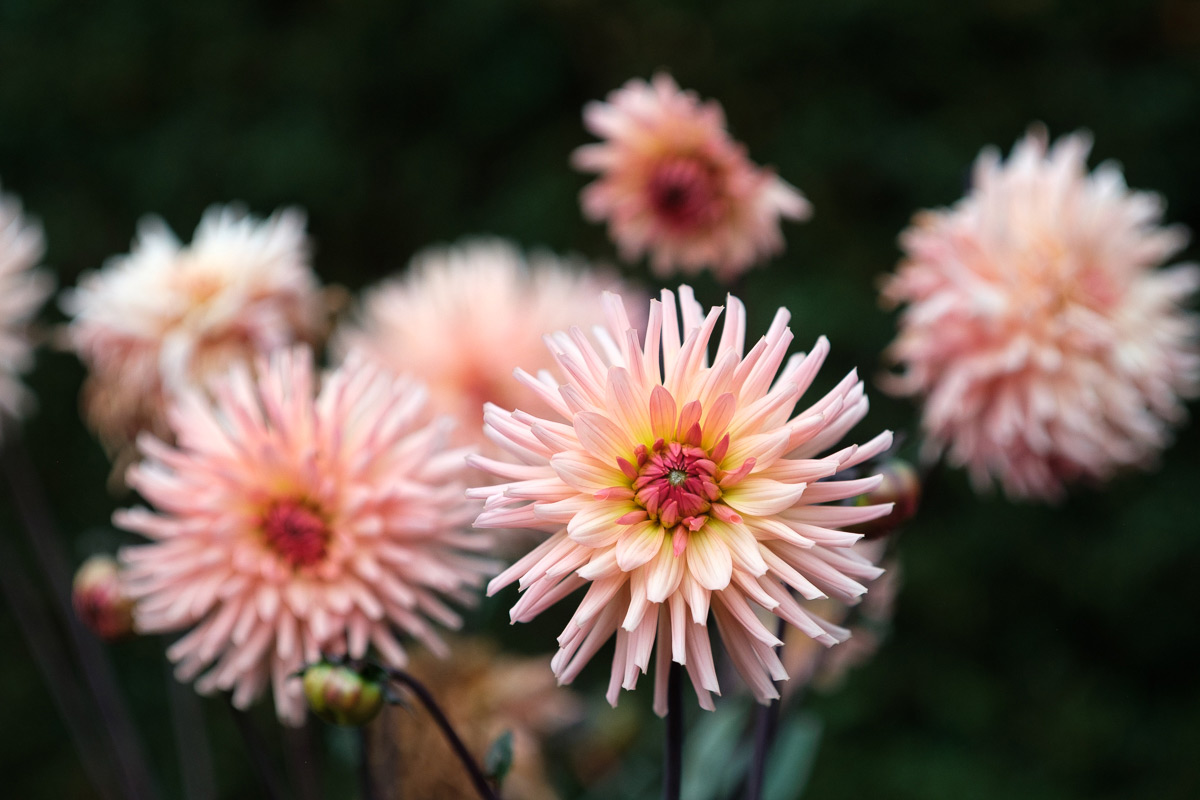
The Helios 58mm is one of my favorite lenses. It’s a manual focus, vintage lens that needs an adapter to work with my camera. The lens is known for its swirly bokeh, but in my experience (on an APS-C camera) the elements need to align perfectly to get that effect. You need a background with highlights, and the subject has to be the right distance from it. You also need to use it wide open at f2. I prefer to stop down to f2.8, where it gives the background an unusual blur that you don’t get with regular lenses. It’s a subtle effect, rather than in your face. Here’s an example.
Hopefully these ideas help you think about what lenses to take with you on your next photo shoot. The idea is to think about what you need, and take as few lenses as you can, so you’re not weighed down by your gear. It’s about freeing yourself up to make photos and be creative.

Mastering Lenses ebook
If you’d like to learn more about lenses then check out my ebook Mastering Lenses. There are lots of tips and ideas for getting the most out of the lenses you already own, plus a comprehensive buying guide to help you with future purchases.
Click here to learn more or buy

